Rorippa: A Stylish and Light Handwritten Script Font
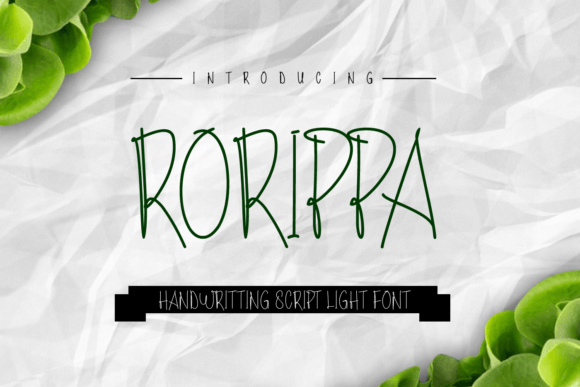
Rorippa is a stylish and light handwritten script font that brings a personal, organic feel to digital and print designs. Designed to mimic the natural flow of handwriting, Rorippa offers a versatile solution for creatives looking to add a touch of authenticity and elegance to their projects. Whether used for logos, greeting cards, or promotional materials, this font stands out for its clean lines and expressive character.
Understanding Rorippa
Rorippa is a typeface that captures the essence of handwritten text while maintaining readability and aesthetic appeal. Its design is characterized by soft curves, subtle variations in stroke weight, and an overall sense of fluidity. These features make it ideal for applications where a casual yet refined look is desired.
The font’s simplicity and elegance allow it to blend seamlessly into a variety of design contexts. Unlike more elaborate script fonts that can appear cluttered or overly decorative, Rorippa strikes a balance between style and clarity. This makes it particularly well-suited for use in environments where legibility is important but visual interest is also a goal.
Why Consider Rorippa?
Creatives may find Rorippa appealing for several reasons. First, its handwritten appearance adds a personal touch to designs, making them feel more human and relatable. This is especially valuable in marketing and branding efforts aimed at building emotional connections with audiences.
Second, the font's versatility allows it to be used across a wide range of mediums. From digital platforms such as websites and social media to physical formats like business cards and posters, Rorippa adapts well to different contexts. Its clean and minimalistic design ensures that it does not overpower other elements of a design but instead complements them.
Third, the font’s lightweight nature contributes to a modern and approachable aesthetic. In an era where minimalist and clean design trends are prevalent, Rorippa aligns well with these preferences without sacrificing visual impact.
Benefits and Tradeoffs
One of the key benefits of using Rorippa is its ability to enhance the visual storytelling aspect of a design. The font’s organic feel can convey warmth, creativity, and individuality—qualities that are often difficult to achieve with more formal or structured typefaces.
However, there are tradeoffs to consider. Because Rorippa is a script font, it may not be suitable for all types of content. For instance, it might not be the best choice for long blocks of text where readability is paramount. Additionally, its stylized appearance could be less effective in highly technical or professional contexts where a more traditional font would be more appropriate.
Another consideration is the potential need for additional design work when incorporating Rorippa into a project. While the font itself is elegant, its unique characteristics may require careful spacing, sizing, and pairing with other fonts to ensure optimal visual harmony.
Situations Where Rorippa Is a Strong Fit
Rorippa shines in situations where a handwritten or personalized touch is beneficial. It is particularly effective in the following scenarios:
- Greeting Cards and Invitations: The font’s warm and friendly appearance makes it perfect for creating heartfelt messages that feel personal and sincere.
- Logos and Branding: When designing a brand identity that emphasizes creativity, approachability, or a connection with customers, Rorippa can help establish a distinctive visual presence.
- Quotes and Inspirational Content: The font’s expressive nature works well for highlighting quotes, mantras, or motivational phrases, adding a layer of depth and emotion to the message.
- Posters and Banners: Rorippa can be used to create eye-catching headlines or focal points that draw attention and evoke a sense of charm.
- Digital Media: From website headers to social media posts, the font can enhance the visual appeal of online content without compromising usability.
When Alternatives May Be Worth Considering
While Rorippa is a strong option for many design needs, there are instances where alternative fonts may be more suitable. For example, if a project requires high levels of readability or involves large amounts of text, a sans-serif or serif font may be a better choice. These fonts tend to offer greater clarity and consistency, which can be crucial in certain contexts.
Additionally, if the design calls for a more formal or traditional aesthetic, a different script font with more ornate details might be preferable. Conversely, for projects that demand a bold or dramatic effect, a heavier or more stylized font could provide the necessary impact.
It is also worth noting that the effectiveness of Rorippa depends on how it is implemented. If not used thoughtfully, it could risk appearing unprofessional or inconsistent with the overall design intent. Therefore, it is important to evaluate whether the font aligns with the tone and purpose of the project before finalizing its use.
Practical Decision-Making Insights
When deciding whether to use Rorippa, consider the following factors:
- Purpose of the Design: What is the primary goal of the project? If it is to convey a personal or creative message, Rorippa may be an excellent fit. However, if the goal is to communicate information clearly and efficiently, another font may be more appropriate.
- Audience Expectations: Who will be viewing the design? Understanding the preferences and expectations of the target audience can help determine whether a handwritten font will resonate with them.
- Design Context: How will the font be used within the larger design? Will it be paired with other fonts, images, or colors? Ensuring compatibility and balance is essential for a cohesive result.
- Legibility Requirements: Even though Rorippa is designed to be readable, its script style may not be ideal for all text sizes or formats. Testing the font in various conditions can help identify any potential issues.
By carefully evaluating these considerations, designers can make informed decisions about whether Rorippa is the right choice for their specific needs. Ultimately, the font’s value lies in its ability to bring a unique and expressive quality to a wide range of creative projects, provided it is used appropriately and with intentionality.