Gym or Fitness Typography Design: Strategic Use for Branding and Creativity
In today’s competitive marketplace, the visual identity of your products plays a crucial role in attracting customers and conveying your brand's message. For entrepreneurs and creators in the fitness industry, Gym or Fitness Typography Design is more than just an aesthetic choice—it's a strategic tool that can enhance branding, communication, and customer engagement.
Gym or Fitness Typography Design refers to the use of typography in creating designs that align with the themes of fitness, strength, motivation, and health. These designs are often used on apparel such as t-shirts, mugs, stickers, and other merchandise. When executed thoughtfully, this type of design can significantly impact how your brand is perceived and how effectively it communicates its values.
The Strategic Value of Gym or Fitness Typography Design
Typography is not just about choosing a font; it's about using text in a way that supports your brand's messaging and goals. In the context of Gym or Fitness Typography Design, the right font can evoke feelings of strength, determination, and inspiration. This makes it an essential element for any fitness-related product or marketing material.
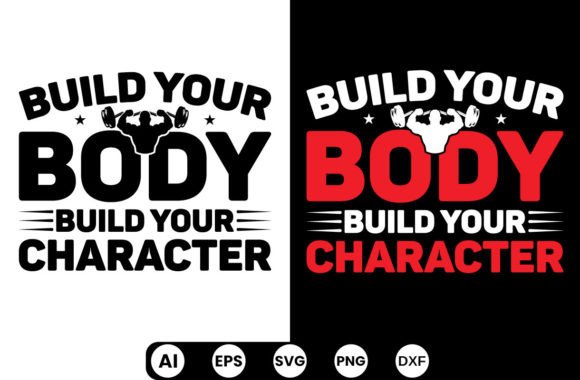
For example, bold and blocky fonts can convey power and confidence, making them ideal for slogans like "Build Your Body, Build Your Character." On the other hand, sleek and modern fonts might be better suited for a more professional or minimalist approach. The key is to choose a font that aligns with your brand's personality and the message you want to communicate.
When designing for Gym or Fitness Typography Design, consider the audience you're targeting. Are you appealing to serious athletes, casual gym-goers, or a broader demographic? Each group may respond differently to various typographic styles. Understanding your target audience will help you make informed decisions about font selection and overall design.
Use Cases and Practical Applications
Gym or Fitness Typography Design can be applied across a wide range of products and platforms. Here are some common use cases:
- T-Shirts: High-quality vector designs are perfect for screen printing and digital DTG printing. They can be sold through platforms like Amazon, Etsy, Teespring, Teepublic, and Redbubble.
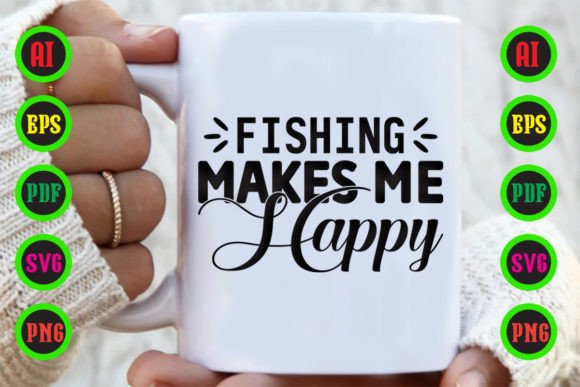
- Mugs and Merchandise: Typography-based designs can be transferred onto mugs, water bottles, and other promotional items, making them excellent for branding and giveaways.
- Sublimation Prints: Vector files allow for seamless sublimation printing on various surfaces, including fabric, ceramics, and metal.
- Stickers and Invitations: Clean, black-and-white vector backgrounds make these designs versatile for use on stickers, event invitations, and social media graphics.
These designs are typically provided in multiple formats, including AI, EPS, SVG, DXF, and PNG transparent 300ppi. With a file size of 4500×5400 px and 100 vector shapes, they offer flexibility and scalability for different applications.
Planning and Decision-Making for Effective Typography Design
Before diving into Gym or Fitness Typography Design, it's important to have a clear plan and understanding of your goals. Consider the following factors:
- Brand Identity: What does your brand stand for? How do you want your audience to feel when they see your designs?
- Target Audience: Who are you trying to reach? What kind of typography would resonate with them?
- Product Use: Will the design be used for personal use, a POD business, or a larger commercial venture? This will influence the complexity and style of the design.
- Printing Method: Are you planning to use screen printing or digital DTG printing? Different methods may require different design considerations.
By taking these factors into account, you can create Gym or Fitness Typography Design that not only looks great but also serves a specific purpose and aligns with your brand's strategy.
Risks of Using Typography Without Clear Goals
While Gym or Fitness Typography Design can be a powerful tool, it's important to avoid using it without a clear strategy. Randomly selecting fonts or slogans without considering your brand's message or audience can lead to ineffective designs that fail to connect with your target market.
Additionally, poor typography choices can negatively impact readability and overall aesthetics. A poorly designed slogan or logo can confuse your audience and dilute your brand's message. It's essential to invest time in researching and testing different typographic styles to ensure they align with your goals.
Another risk is overcomplicating the design. While it's tempting to add too many elements, simplicity often works best in Gym or Fitness Typography Design. A clean, well-balanced design is more likely to stand out and make a lasting impression.
Strategic Tips for Using Gym or Fitness Typography Design
To maximize the effectiveness of Gym or Fitness Typography Design, follow these practical tips:
- Focus on Readability: Ensure that the text is easy to read, even from a distance. Avoid overly decorative fonts that may be difficult to decipher.
- Use Consistency: Maintain a consistent style across all your designs to reinforce your brand identity and create a cohesive look.
- Test Different Fonts: Experiment with various fonts to find the one that best represents your brand and resonates with your audience.
- Consider Color and Contrast: Even though many designs use a black-and-white background, adding subtle color accents can enhance the visual appeal and draw attention to key messages.
- Stay Authentic: Choose slogans and phrases that reflect your brand's values and mission. Authenticity is key to building trust and connection with your audience.
By incorporating these strategies into your Gym or Fitness Typography Design process, you can create compelling designs that effectively communicate your message and support your business goals.
Whether you're running a POD business, selling on e-commerce platforms, or simply looking to create personalized merchandise, thoughtful Gym or Fitness Typography Design can make a significant difference in how your brand is perceived and received by your audience.